UX STRATEGY · END-TO-END PRODUCT DESIGN · GOVERNMENT / REGULATORY

Certification Body — Multi-Layer Approval System

THE SITUATION

A certification body ran its entire approval process manually — paper-based, multi-layer sign-off requiring both department heads and officers at every stage. Average processing time: 30 days. No visibility for applicants. No shared status view for approvers. No digital trail.

THE WORK

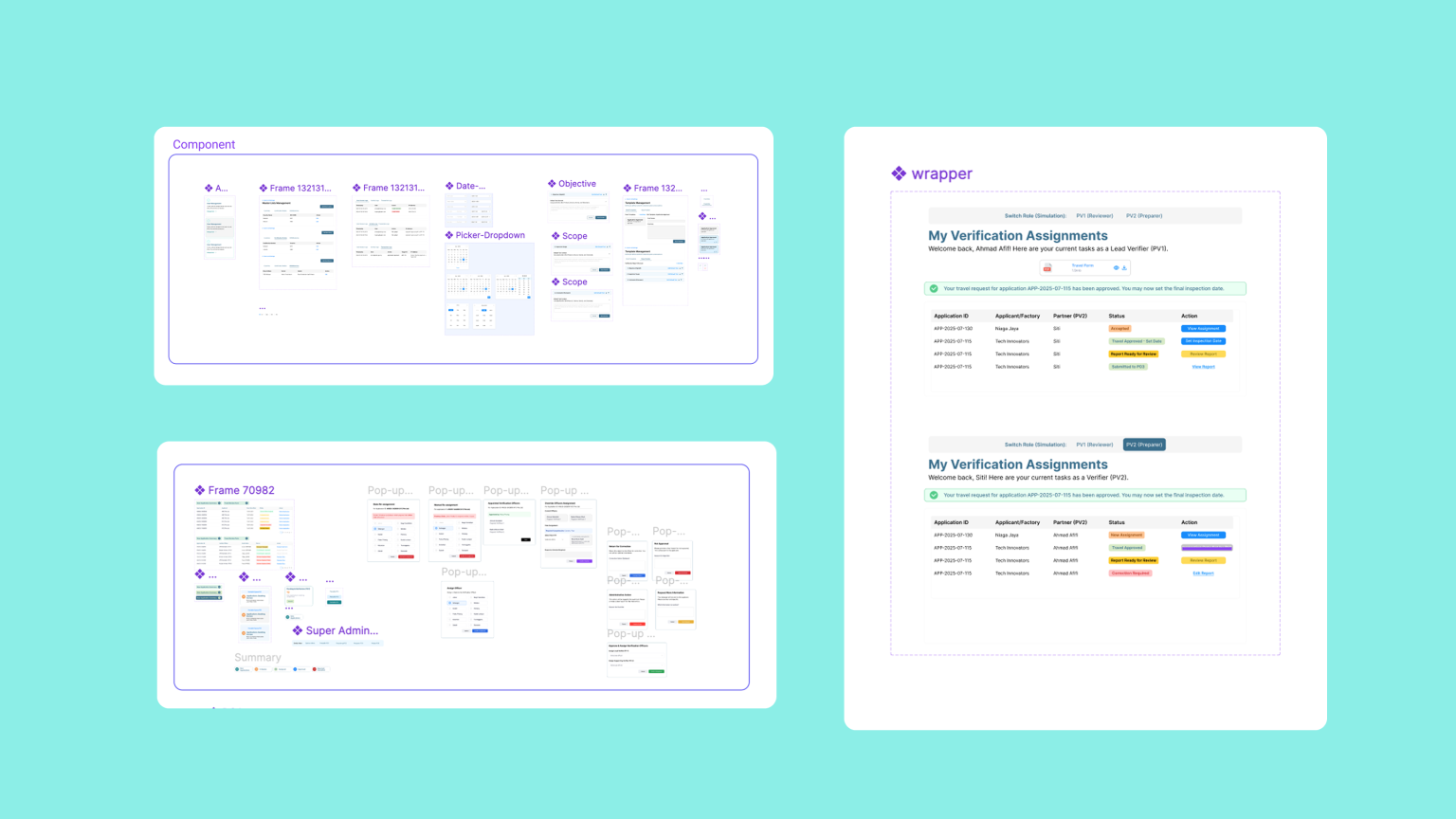
End-to-end UI across 15 modules — department-head review to officer approval queues to applicant status tracking.

THE CHALLENGE

The easy path would have been digitizing the paperwork as-is — moving the same 30-day sign-off chain onto screens. That’s how legacy government systems fail: bureaucracy gets copy-pasted into code, and the software just makes the dysfunction load faster. This required a different approach — one of the most structurally complex approval workflows I’ve worked on, spanning 15 modules, each with its own rules and sign-off logic.

WHAT I DID

  • Mapped the full manual approval flow across all 15 modules — every handoff, every layer, every point of friction
  • Questioned each approval step on its own merit, rather than accepting the existing hierarchy as fixed
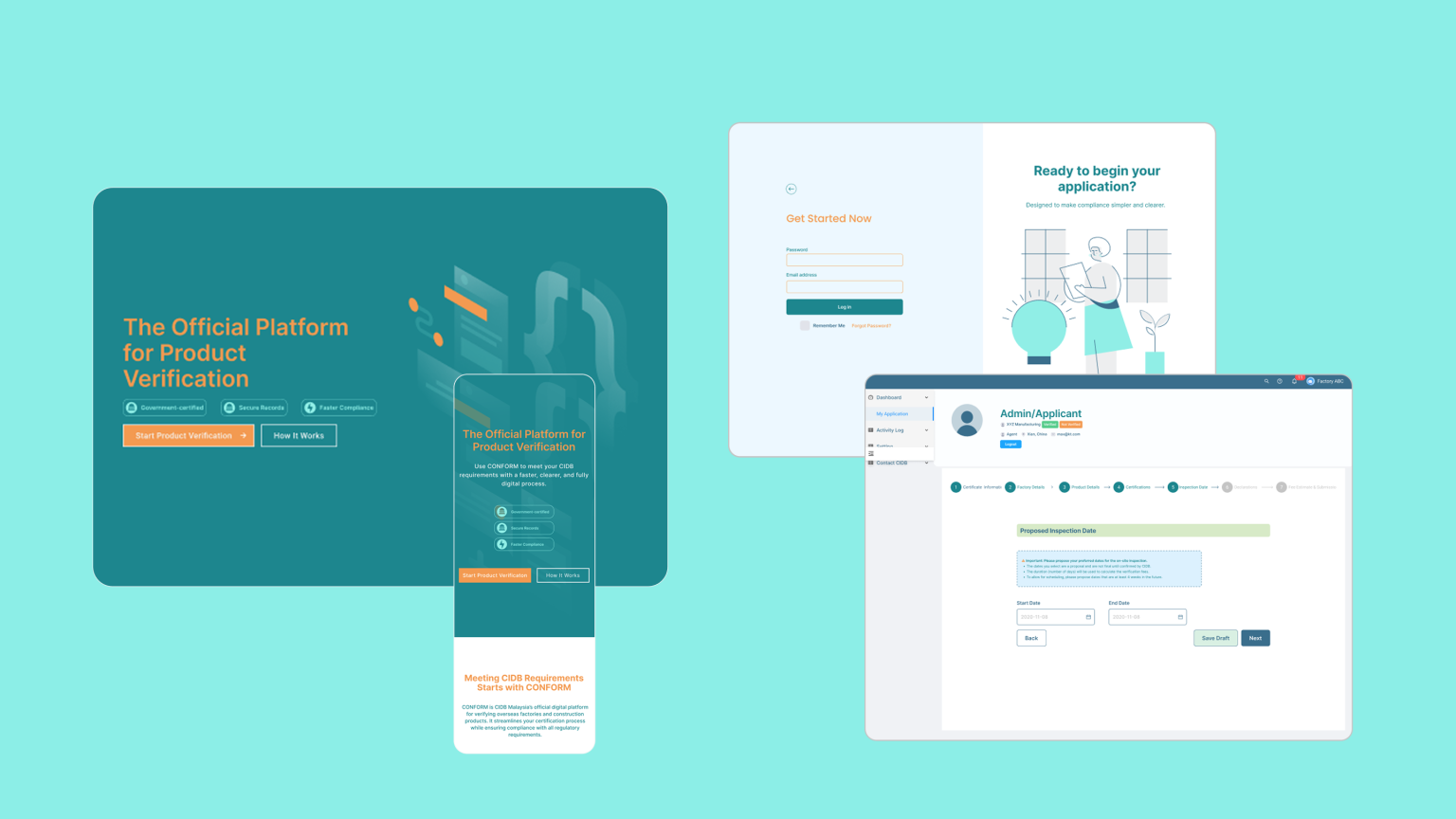
  • Designed end-to-end wireframes and user flows from scratch, restructuring how department heads and officers interact with each stage
  • Built a brand-new UI system, designed for clarity at every layer — not a reskin of the old paper logic
  • Architected the system toward cutting average processing time from 30 days to 14

THE APPROACH: LEGACY TO DIGITAL NEEDS A DIFFERENT MINDSET

Moving a manual process online isn’t a design task, it’s a structural one — take the process apart, decide what each layer actually protects, and rebuild only what earns its place.